I recently applied to an artist-in-residence program. As you might’ve guessed based on the title of this article, my application was declined.
It isn’t the first time I’ve had an AiR application rejected. And truthfully, I’ve never been surprised by this outcome, as they’ve always felt like a stretch for me. But this time felt a little different. It’s been a few years since my last attempt, and I feel like my work and intentions have matured in that time. I’m a little more thoughtful about my photography than I used to be. I am beginning to better understand myself as a photographer.
Before I even filled out the application, I knew I needed to tackle a long to-do list of updates to my website. I removed pages I was no longer proud of and updated my about page (and even put in a real photograph of myself!). I wrapped up and released an article I had stalled on. I did my best to make sure that visitors to my site would be greeted by my best effort at a cohesive, updated site with plenty of recent work and no dusty corners.
Once that was done, I completely rewrote my artist statement (one of those pages on my website that I removed…). I sought advice from artists and photographers I look up to (thank you for your advice and generosity, Donna). I spent hours writing, rewriting, soliciting feedback, editing, and rewriting again, refining my words to clarify my points and distill the statement into something that concisely conveyed why I make photographs, how I make them, and what makes my approach different.
Then came the application itself. I had to shorten my new artist statement for the application form, which was limited to just 100 words for that portion. There were several other short-answer questions to answer as well. I drafted, edited, and rewrote my responses to those questions, which were similarly word-count-limited.
Then came the work sample. Here I was limited to 10 images. I pored over my best work, trying to stick to recent images that were more representative of my current approach. I narrowed the selection down as far as I could, and I again sought outside help from a handful of creative people I trust and respect (thank you for your help, Adam, Jeff, Josiah, Kirsten, and Martin).
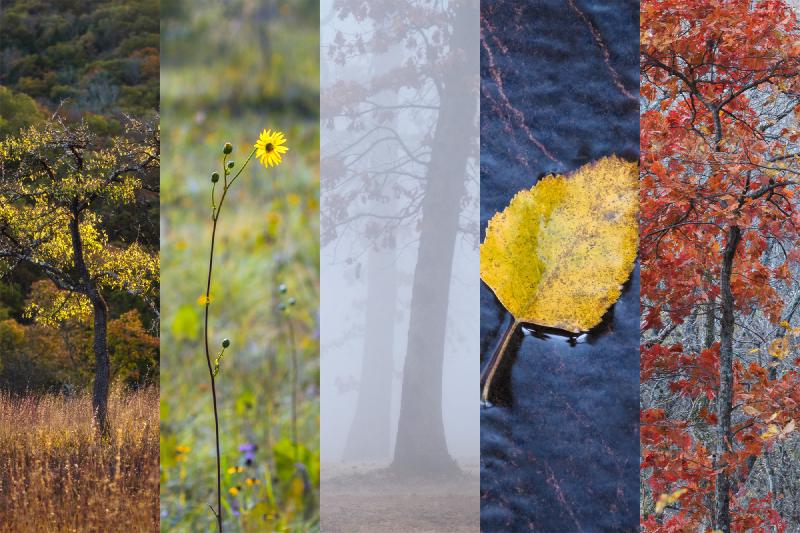
I agonized over whether my work sample should consist of a single cohesive project or draw from a more diverse selection. In the end I didn’t really decide, choosing instead to do both: five images drawn from project work, featuring thematically and aesthetically related images, and five images from a broader collection of images made locally, in an attempt to broaden the sample and emphasize something else that is important to me in my work. I gave my selection a final round of minor edits before uploading them.
I submitted the application and I waited.
In three weeks my heart skipped a beat when I got an email from the selection committee. I opened it immediately:
“Unfortunately, we are not able to offer you a residency at this time…”
Two weeks later, I got another email announcing the selected artists. Two of them were documentary photographers. Their work was exceptional, and they both had the accolades to show for it (nationally exhibited photographs? Permanent galleries? Publication in National Geographic? …I never stood a chance after all!).
Comparison is the thief of joy, they say. Looking at their images, I was awestruck. Their work spoke to modern social and cultural issues. It was relevant. Engaging. Interesting. Beautiful. It’s hard to even compare to my own introspective work, which is centered on my own personal connection to nature.
Rejection can be painful, but there is no doubt in my mind that the selection committee made the right choices. The belief that I had a real chance at being selected has been replaced by a humbling reminder that I have so, so much to learn. It’s an important lesson that I won’t forget any time soon.
So I end this experience not with a residency, but with new questions about what art means to me, what it is I seek through my photography, and how my work might fit into some larger context. Whether or not I arrive at any answers, these questions will guide me through my next phase of photography. Maybe they’ll even help me assemble a stronger application for next year.