In July, I posed a question as a poll on my Instagram story:
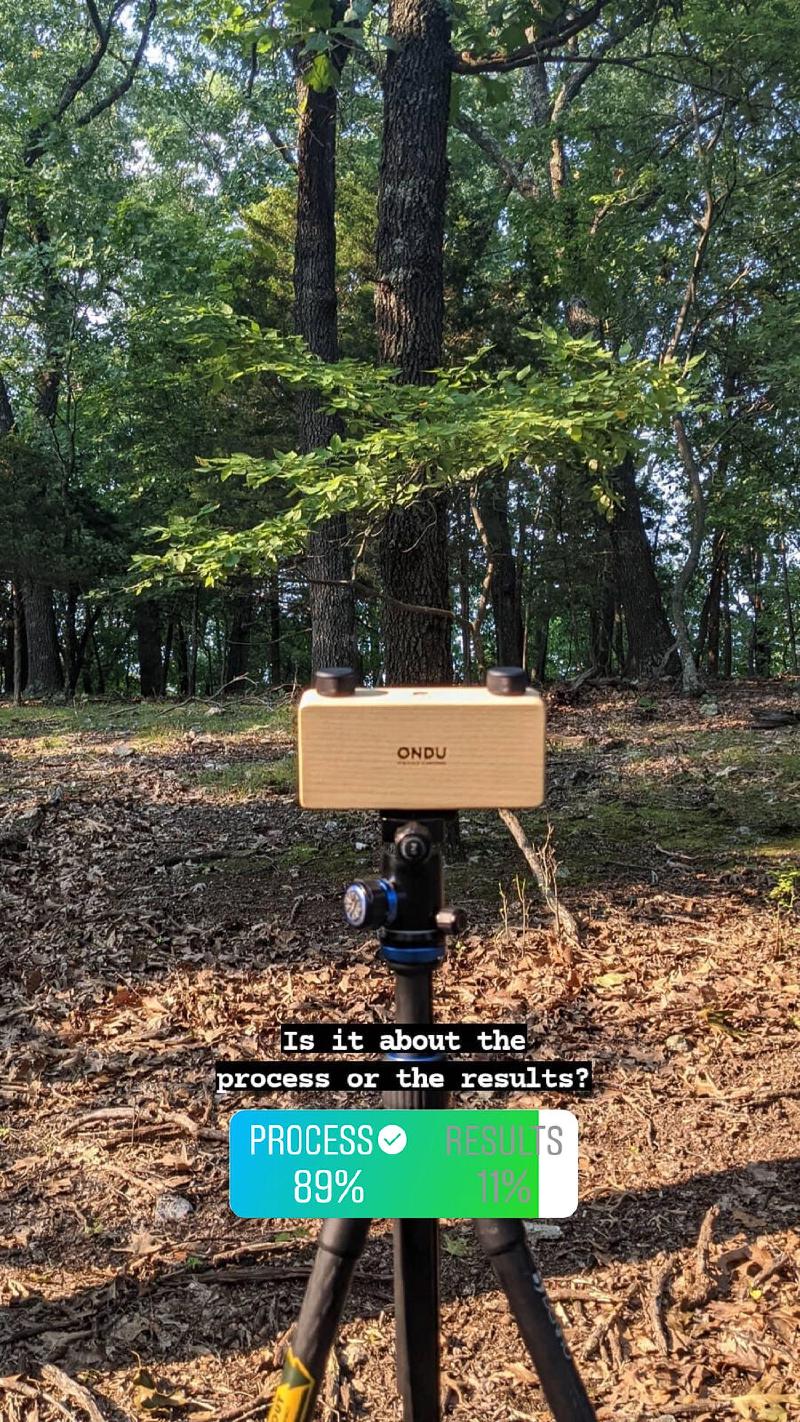
I presented this question with a photo of my pinhole camera, which I was just learning how to use. The process of using a pinhole camera is different from using modern mirrorless or DSLR cameras: there is no viewfinder, and once film has been loaded, the only variable is shutter speed, which is controlled manually. The resulting images have a unique look that is a bit less representational than typical images produced using modern cameras.
My decision to try out pinhole photography was motivated not by a desire to achieve a particular aesthetic in my results, but rather a desire to enhance my creative experience by simplifying the process for making images as much as possible. I couldn’t think of a more minimalist approach than using a roll of 35mm film and a wooden box with a hole on one side.
Thus, had I cast a vote in the poll that I posted to my Instagram story, it would have been for process, as it is the process that provided a framework for the experience I sought.
In my egocentrism, I expected that most others would vote similarly to me. That expectation was largely met, as can be seen in the poll results. But as is often the case, the exceptions generated the most interesting conversation.
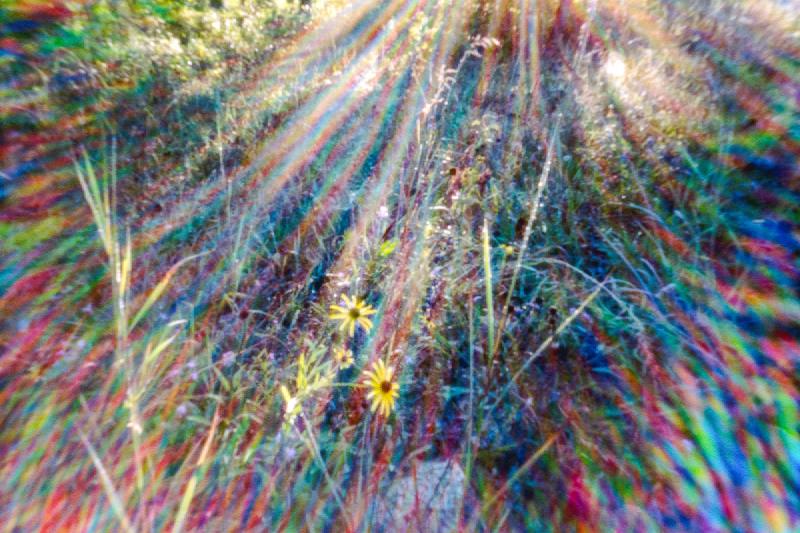
One photographer, Joel Wolski (@jwarrenwolski on Instagram), responded with results and messaged me in surprise upon seeing the poll summary. To Joel, the process by which an image is created didn’t matter so long as the resulting image was true to the photographer’s vision. “Ultimately,” he told me, “what’s most important is being authentic to both process and results.”
Joel’s response highlighted to me our agreement that the mechanism by which an image is created, whether it’s with a digital camera or a 35mm pinhole camera, has little impact on the success of the resulting image. But it also made it clear that my innocent question was perhaps not as simple as I initially assumed.
It was not my intent to reduce the notion of process to a choice of a photographic medium and the sequence of operations used to record a scene onto that medium. This physical process does matter, but only insofar as it enables the creative experience, which includes exploration, discovery, and connection before any images are made. In my view, that experience is everything. The images are a consequence, their success measured to a large degree by their fidelity to that experience.
Put another way, the process is a means to an end, but the end that matters is not the resulting image. It is the creative experience itself.
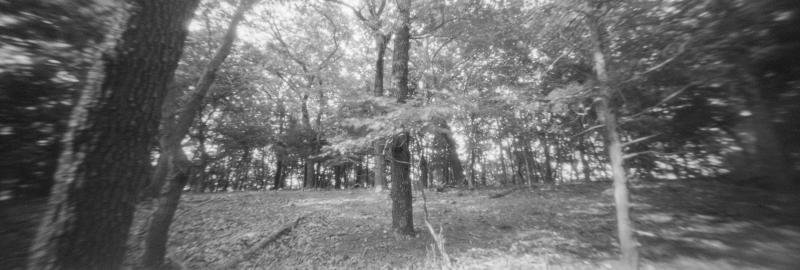
Does this mean that I would still pursue photography if there were no resulting photographs? It’s a strange concept (originally posed to me by my good friend J.D.L. Rosell during an early review of this article), but a useful thought experiment. And my answer is yes. Even without any resulting images, photography provides for me a practice wherein I can immerse myself in nature, engage with my surroundings, and indulge in my curiosity. It is a practice in mindfulness. When a connection is made with the scene before me, the distractions of everyday life fade away. My mind becomes quiet and focused.
Creating an image that is true to that experience is immensely rewarding, but not as rewarding to me as the experience itself.