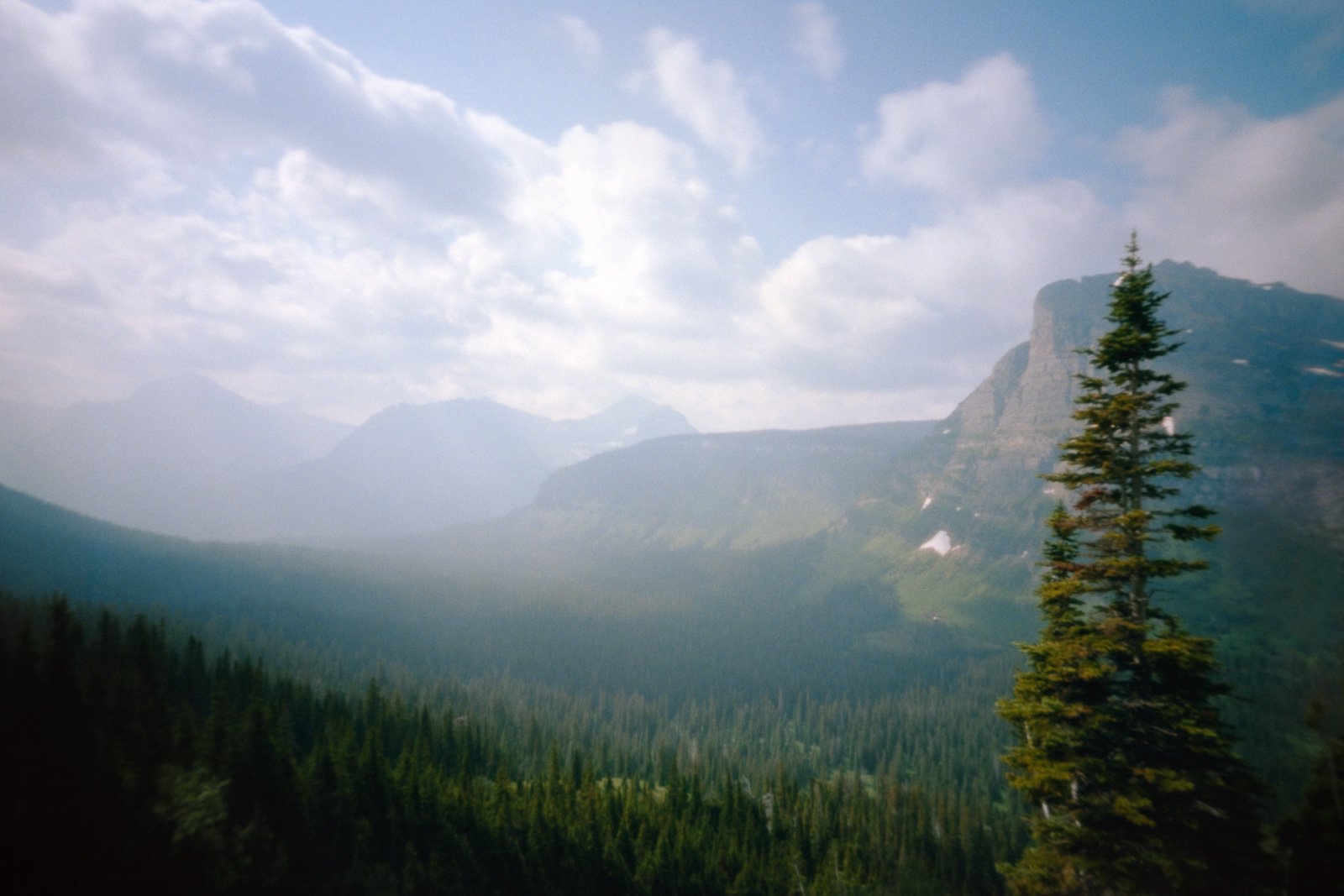
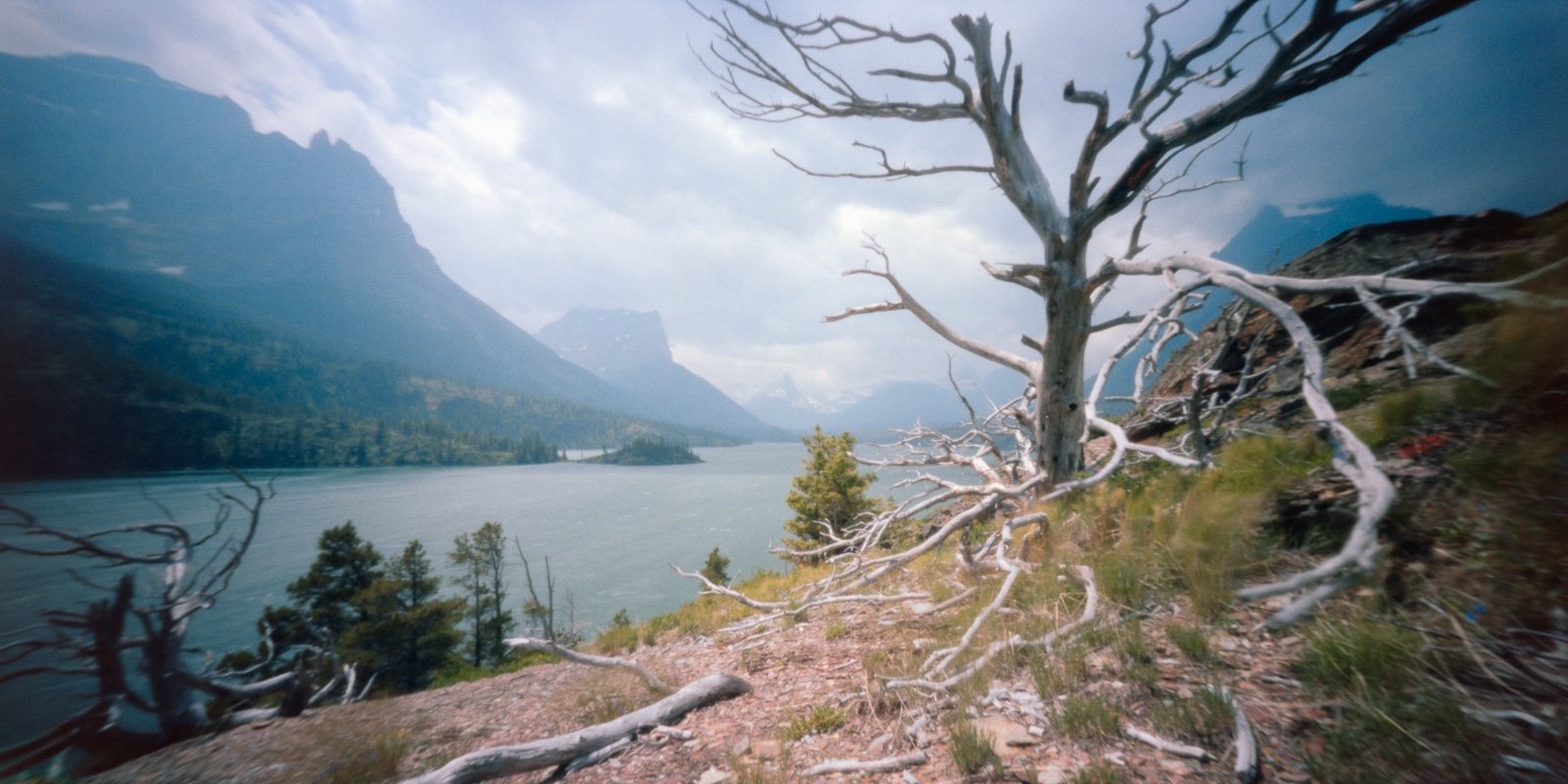
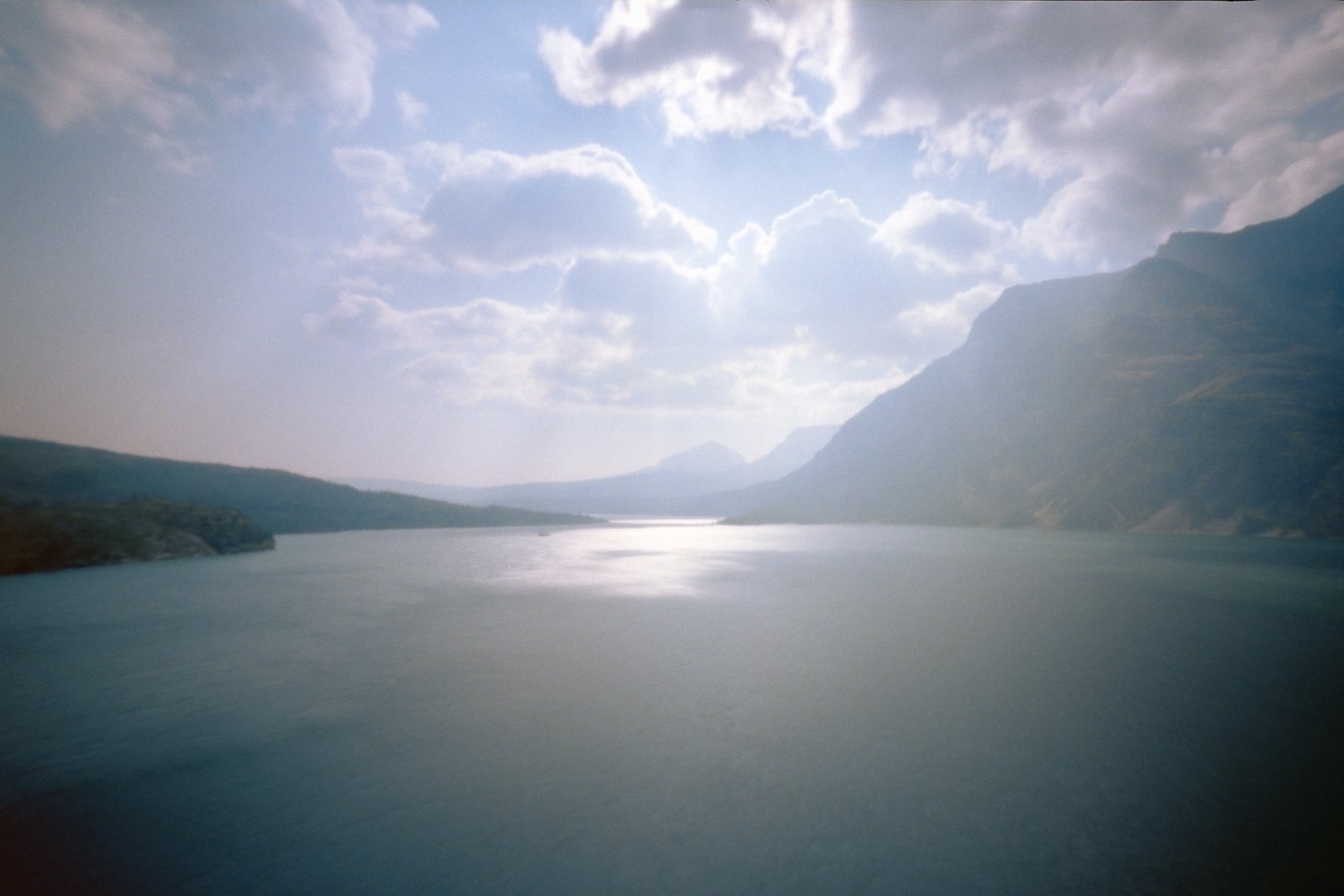
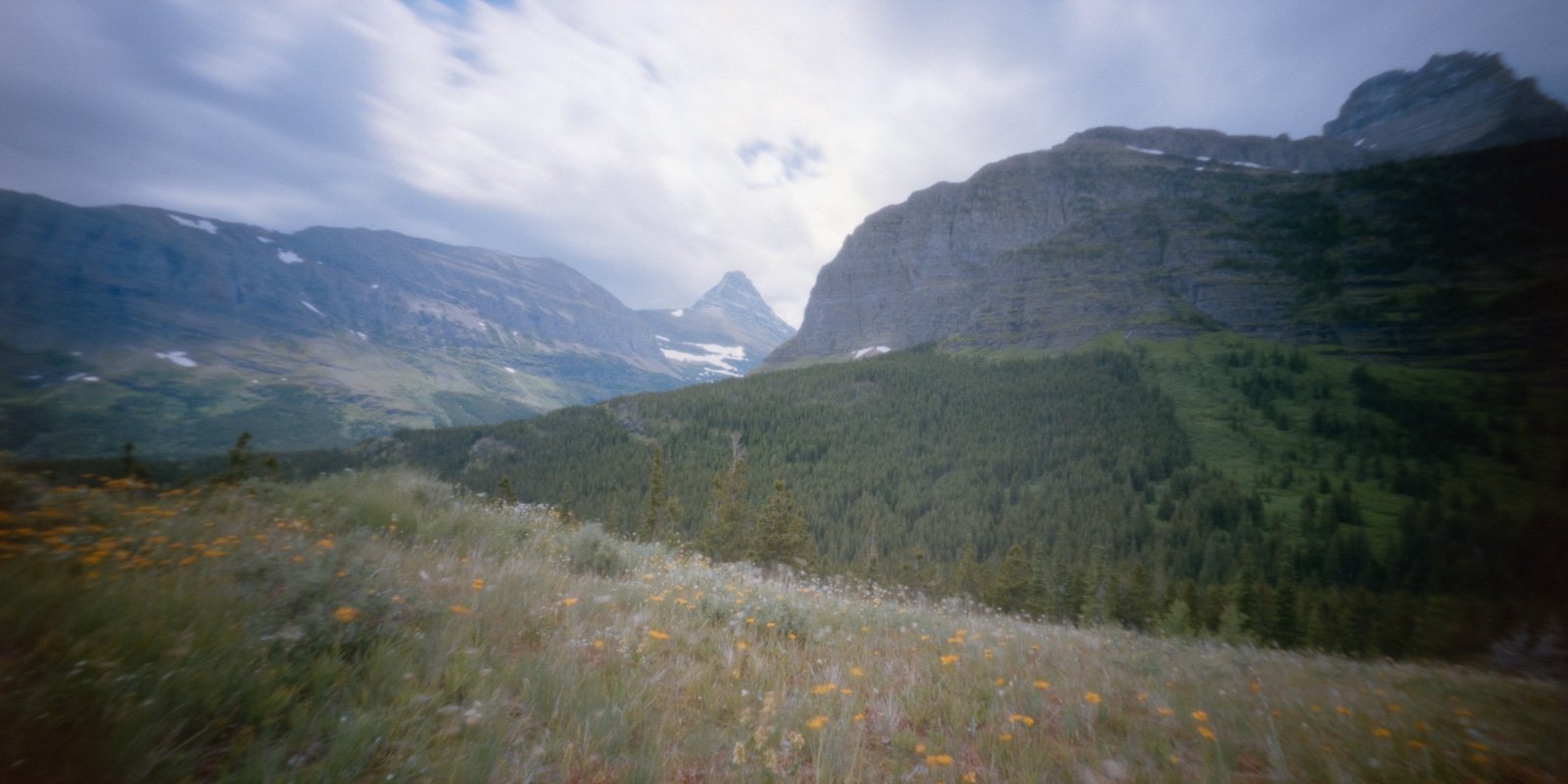
In June of this year, I embarked on the road trip of a lifetime with my wife and 10-month-old daughter to Glacier National Park. From our home in St. Louis, we traveled north and west, through Iowa, South Dakota, and Wyoming before finally making it to our destination in the far northern reaches of Montana (on the indigenous lands of several groups of people, including the Cayuse, Umatilla, and Walla Walla; Ktunaxa; and Blackfoot).
The park was as picturesque as we could have imagined: towering pristine peaks, sprawling glacial valleys, aquamarine mountain lakes. Despite being immersed in arresting beauty, I was filled with mixed emotions. The act of vacationing in a National Park felt incongruous with the economic state of the nearby Native American reservations, and within the park itself were countless reminders that the its namesake features would likely be gone within my lifetime. Difficult truths lurked around every corner.
In part because of these mixed emotions (and in part due to an arc that’s much larger than this trip), I didn’t feel the urge to dig out my camera until our fourth day, and even then, it went back into my bag after just a few quick frames. As I wrestled with my thoughts and explored the awe-inspiring landscape, I felt more at ease making images with my 120 pinhole camera, which has become one of my favorite modes of photography, and one that has carried me through past creative slumps. It’s an approach that keeps me grounded in my surroundings, with no screen for me to preview compositions or review my images after exposing them.
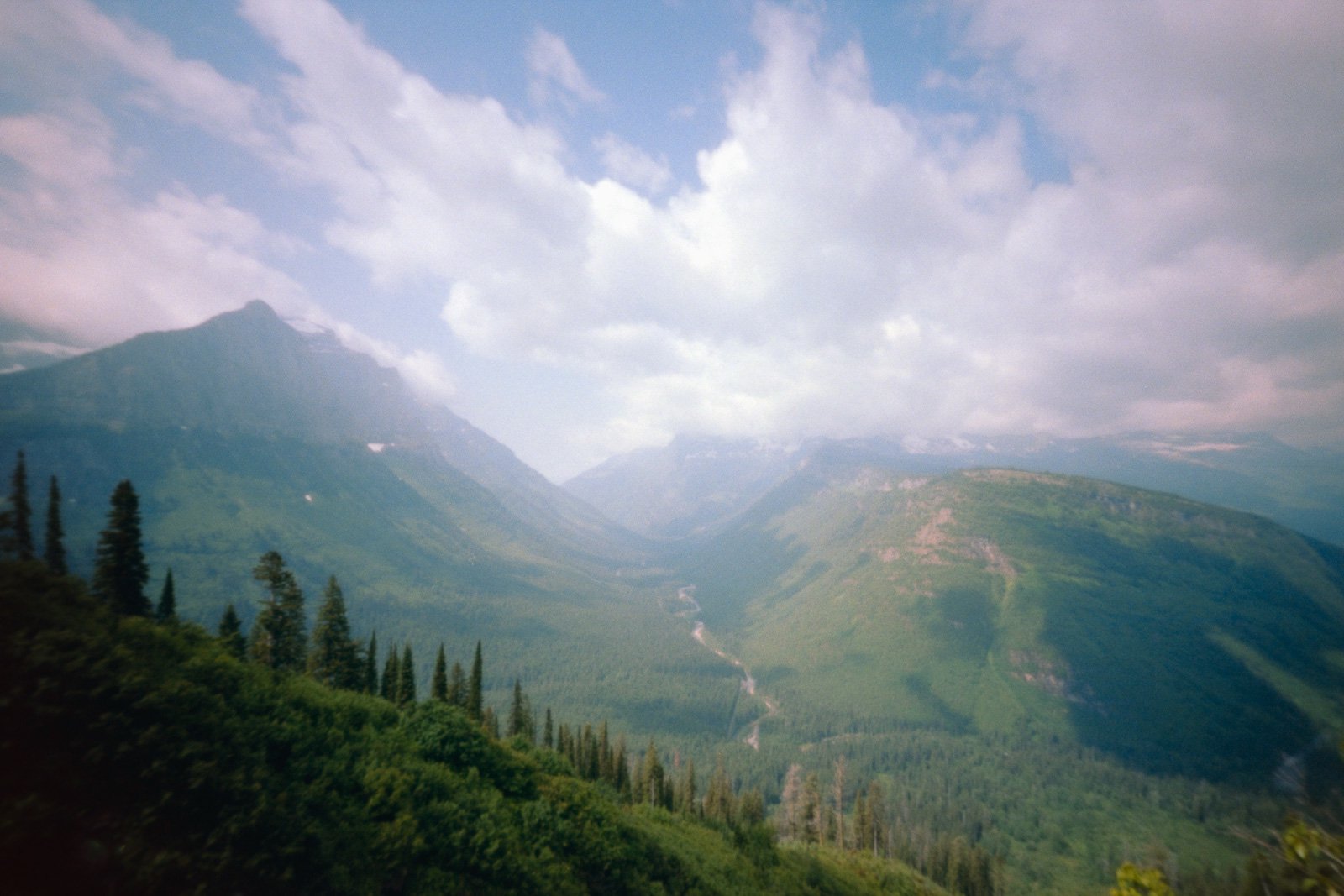
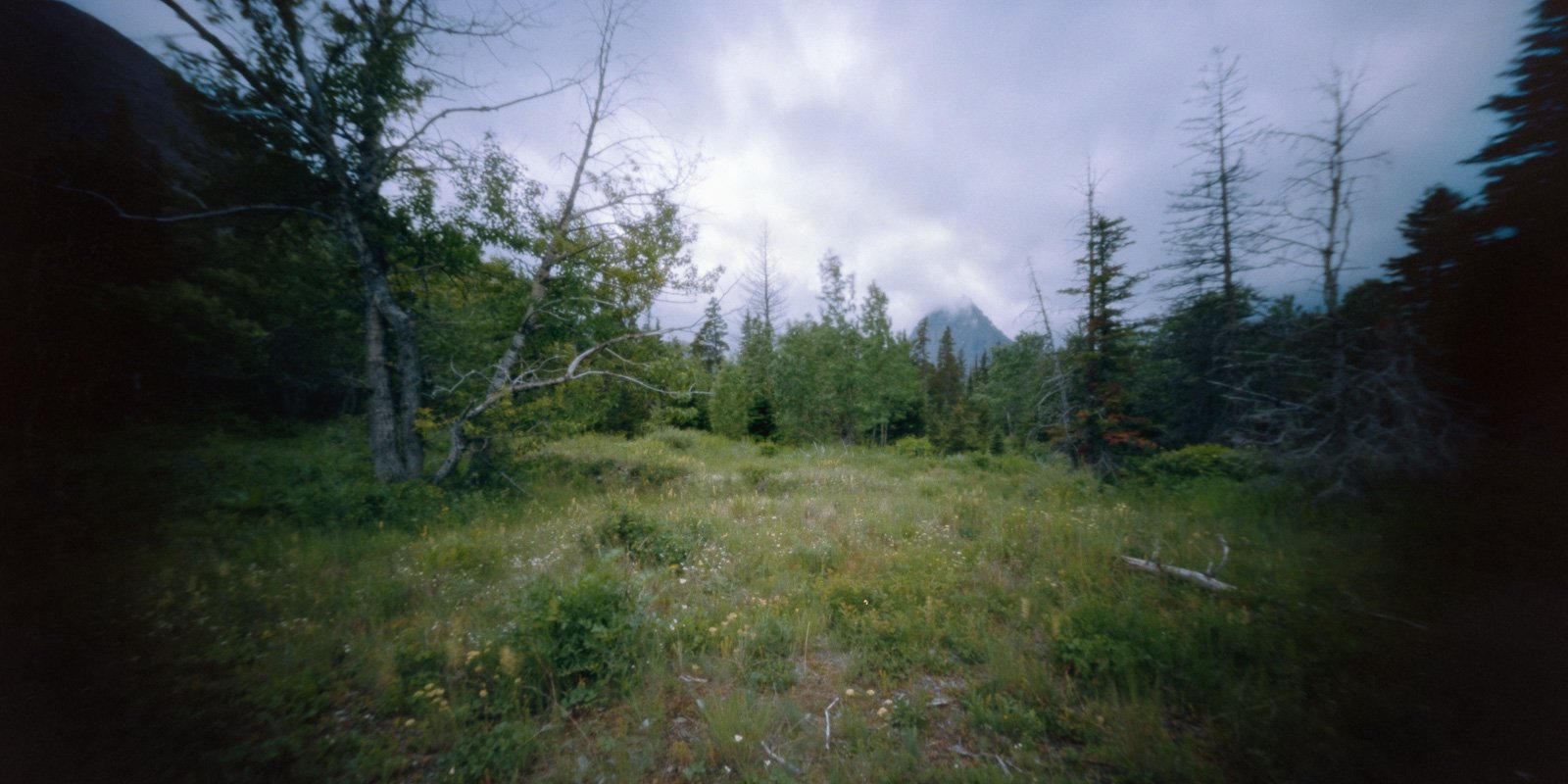
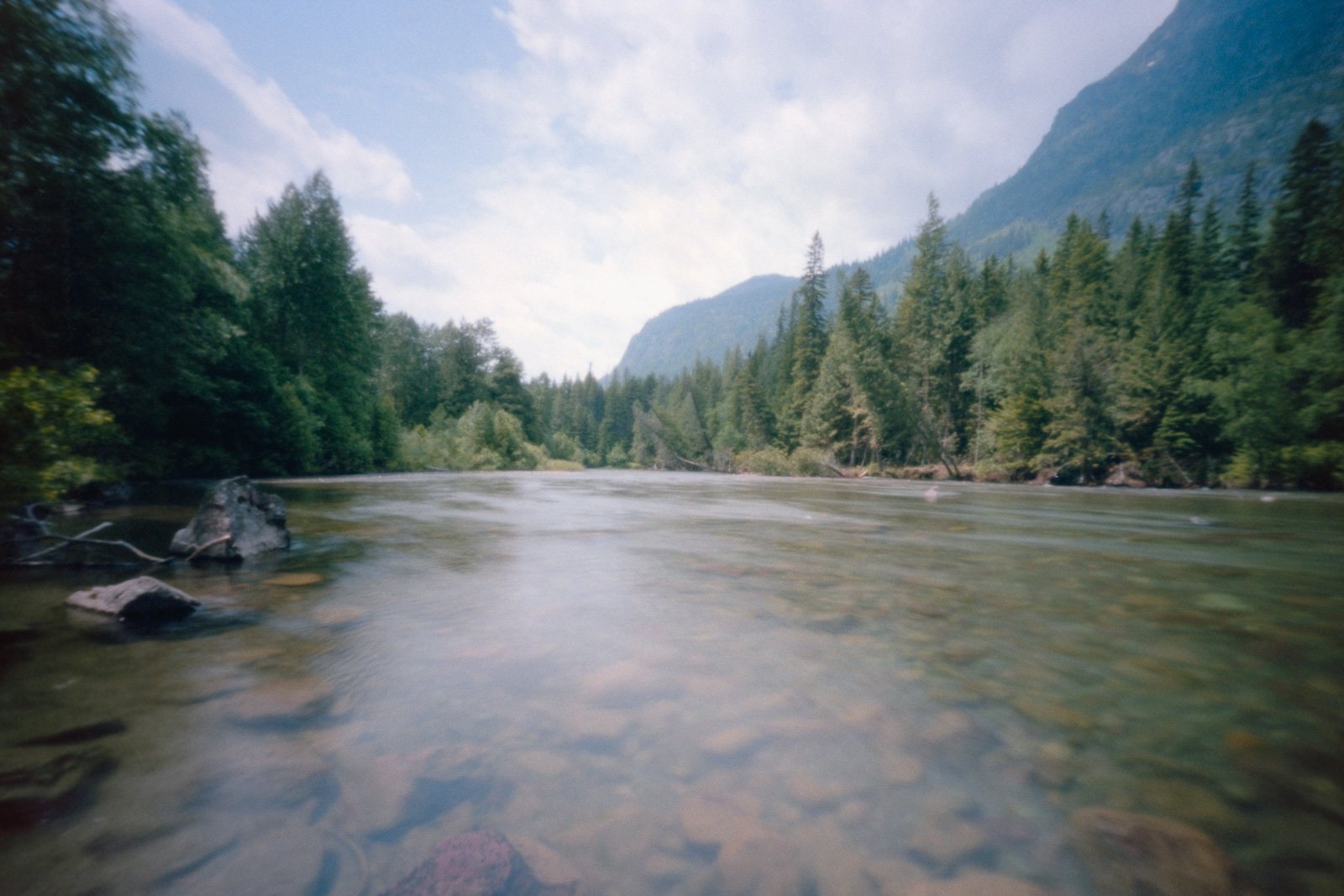
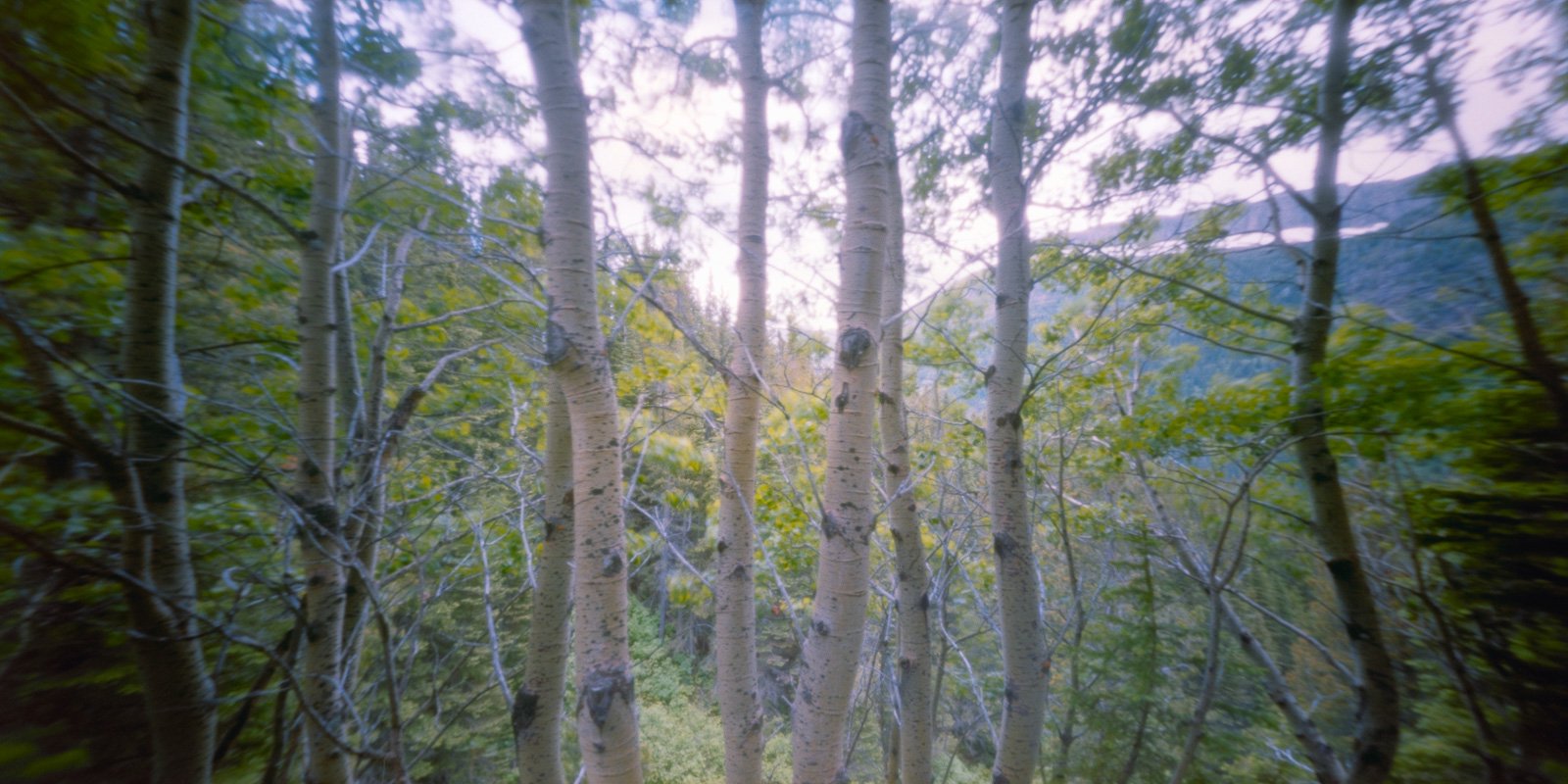
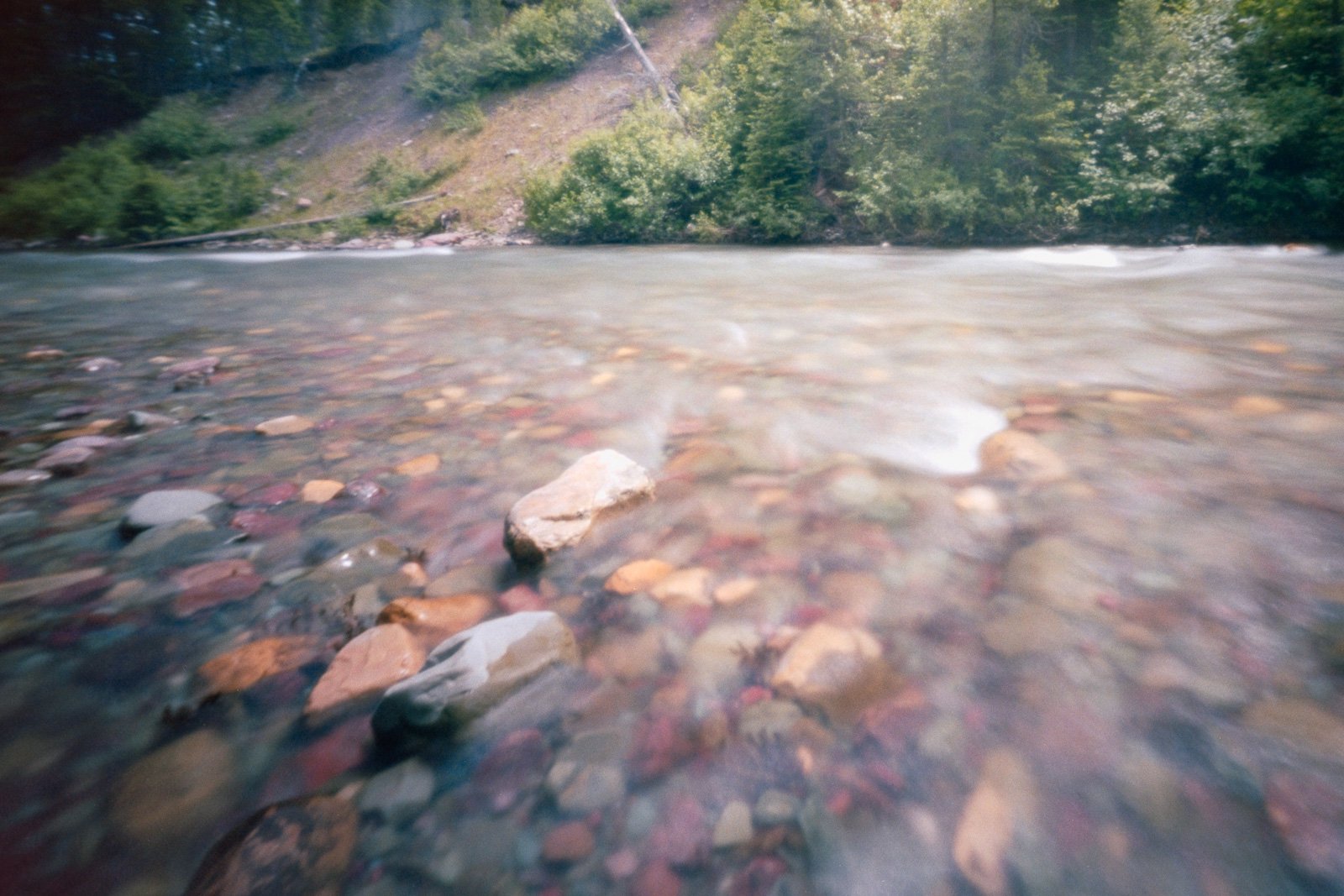
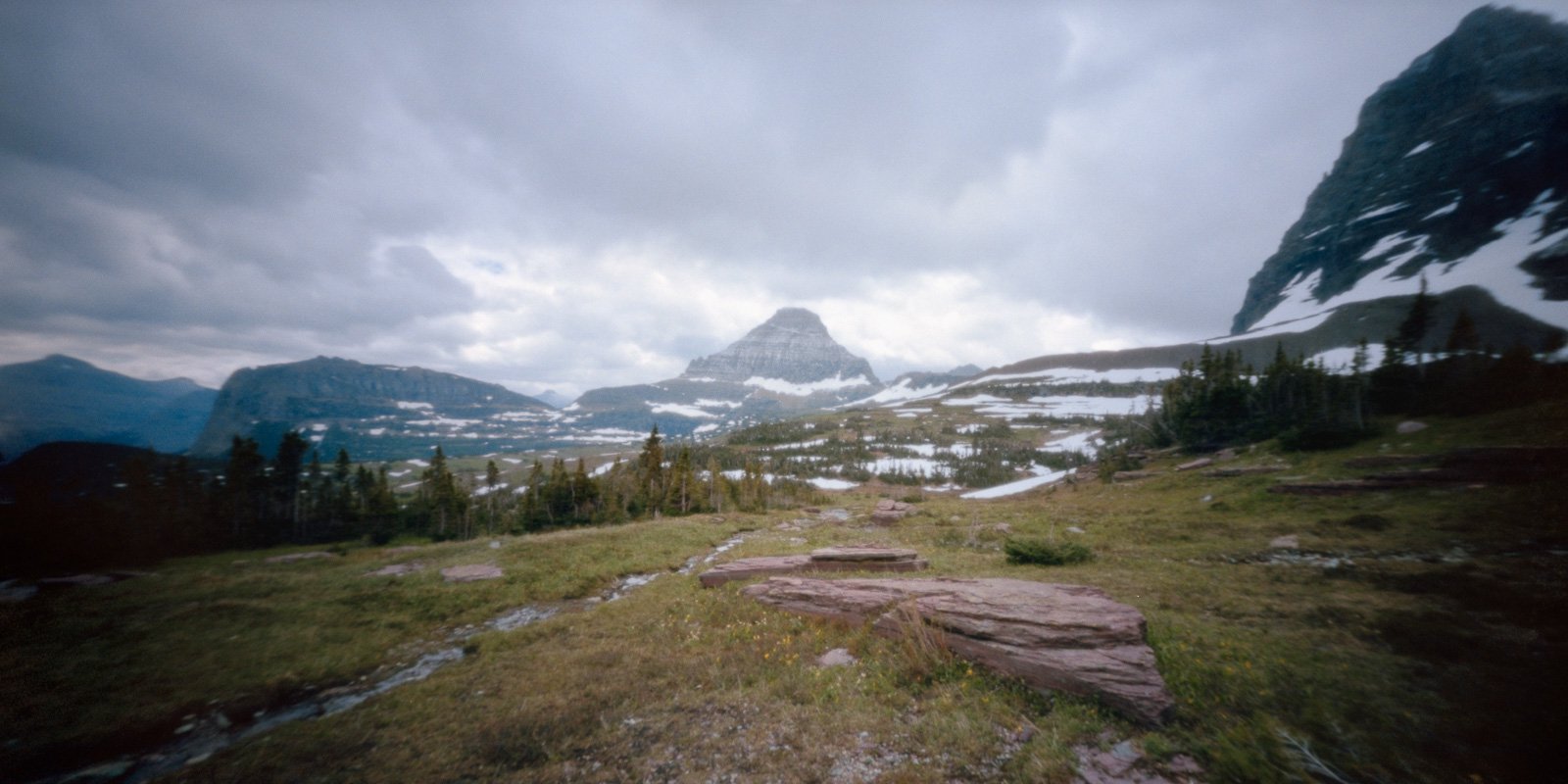
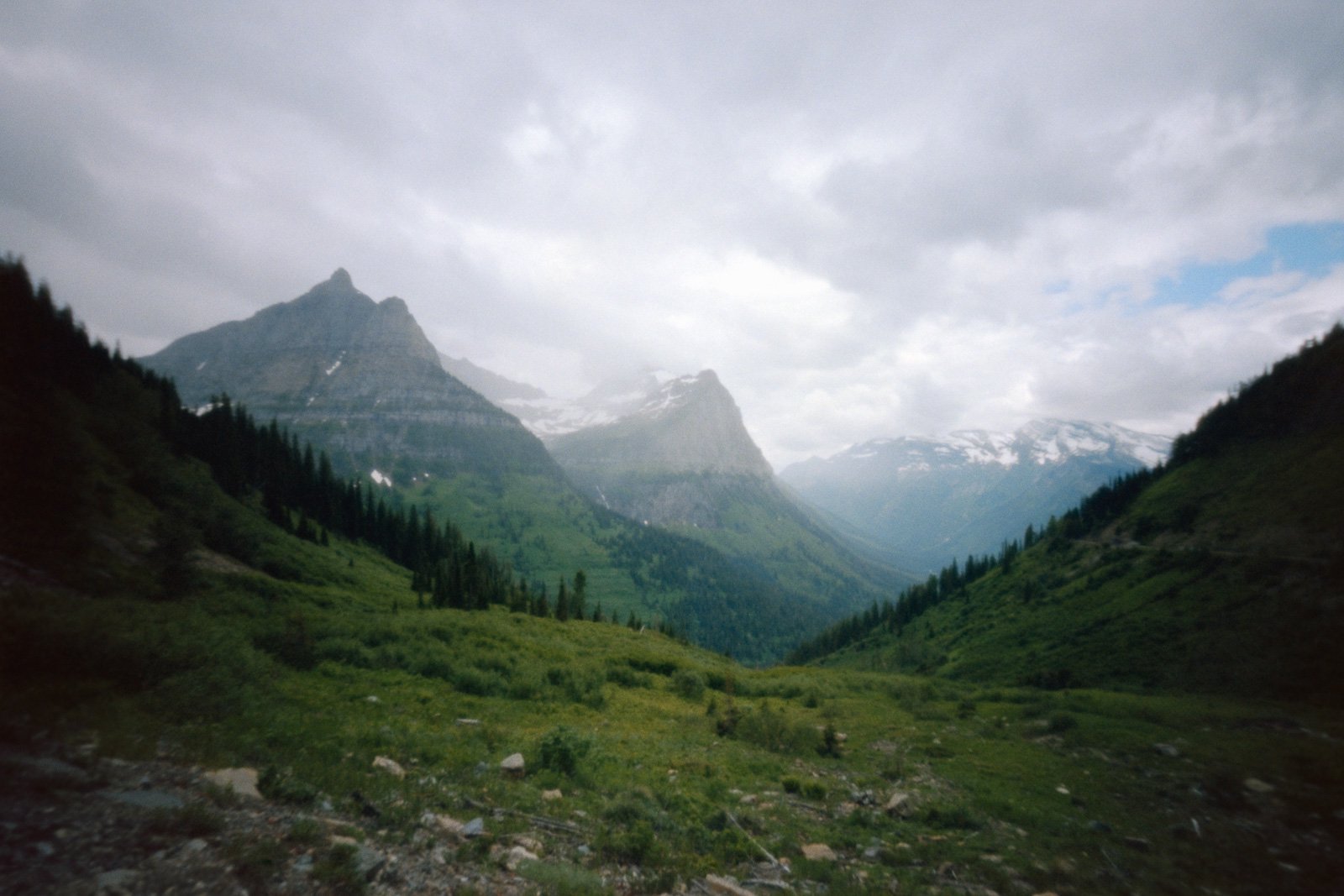
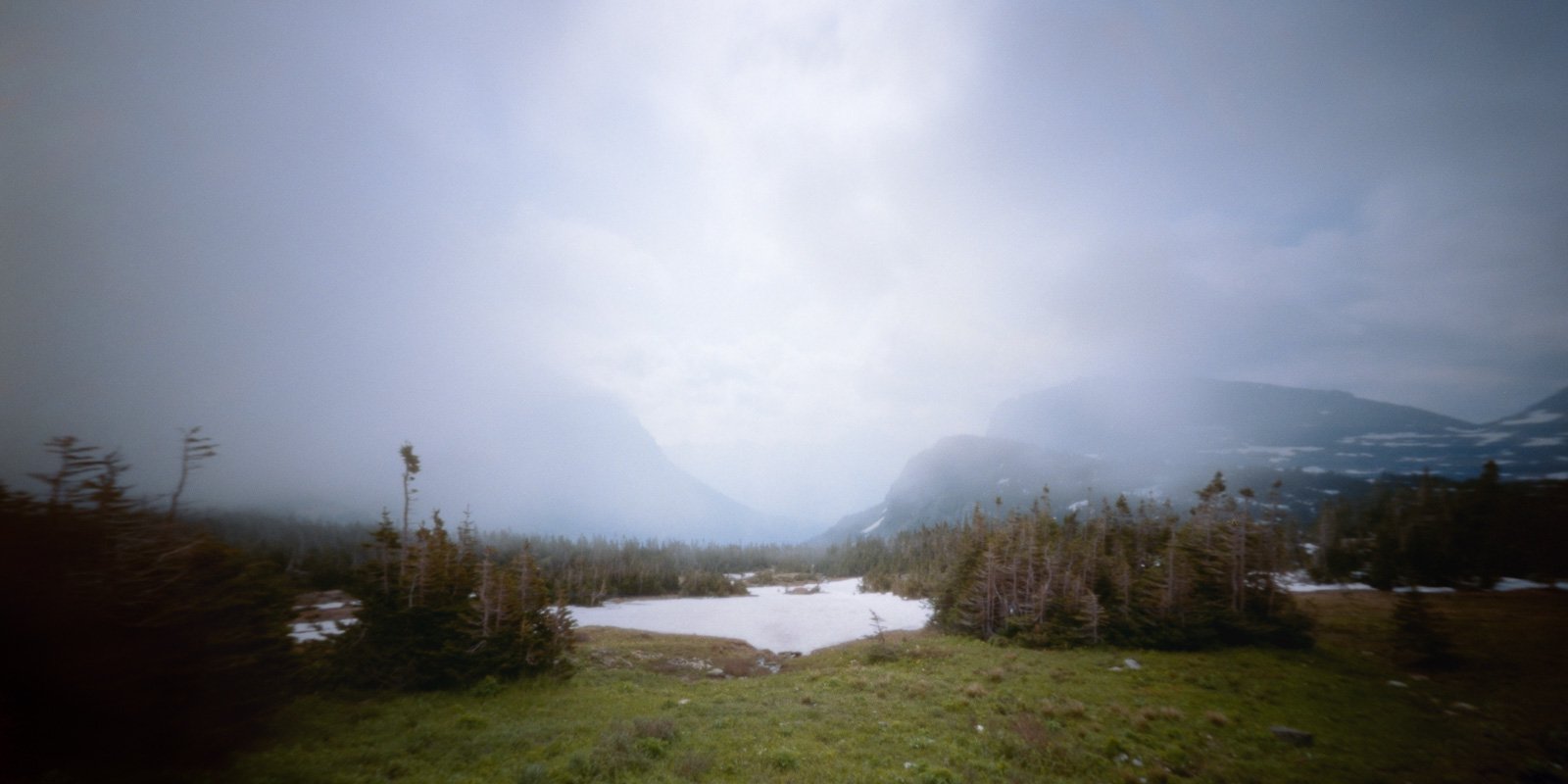
Of all the pinhole images I made in Glacier National Park, these 12 (roughly half of the exposures I made) were my favorites. To me, they provide a survey of the wondrous scenery with enough visual ambiguity for deeper reflection. I hope you discover in them a glimmer of what I experienced during my visit.